April 15, 2026
Asphalt surfaces are built to withstand heavy use, but they're not immune to wear and tear over time. Small cracks, minor potholes, and surface degradation may seem manageable at first, yet they can quickly escalate into larger structural issues if left unaddressed. Property owners, municipalities, and business operators often face a critical decision: invest in timely asphalt repair or risk the high costs of full replacement. Understanding how proactive maintenance impacts long-term performance and expenses can make all the difference in preserving both infrastructure and budgets.
Initial Material and Labor Costs
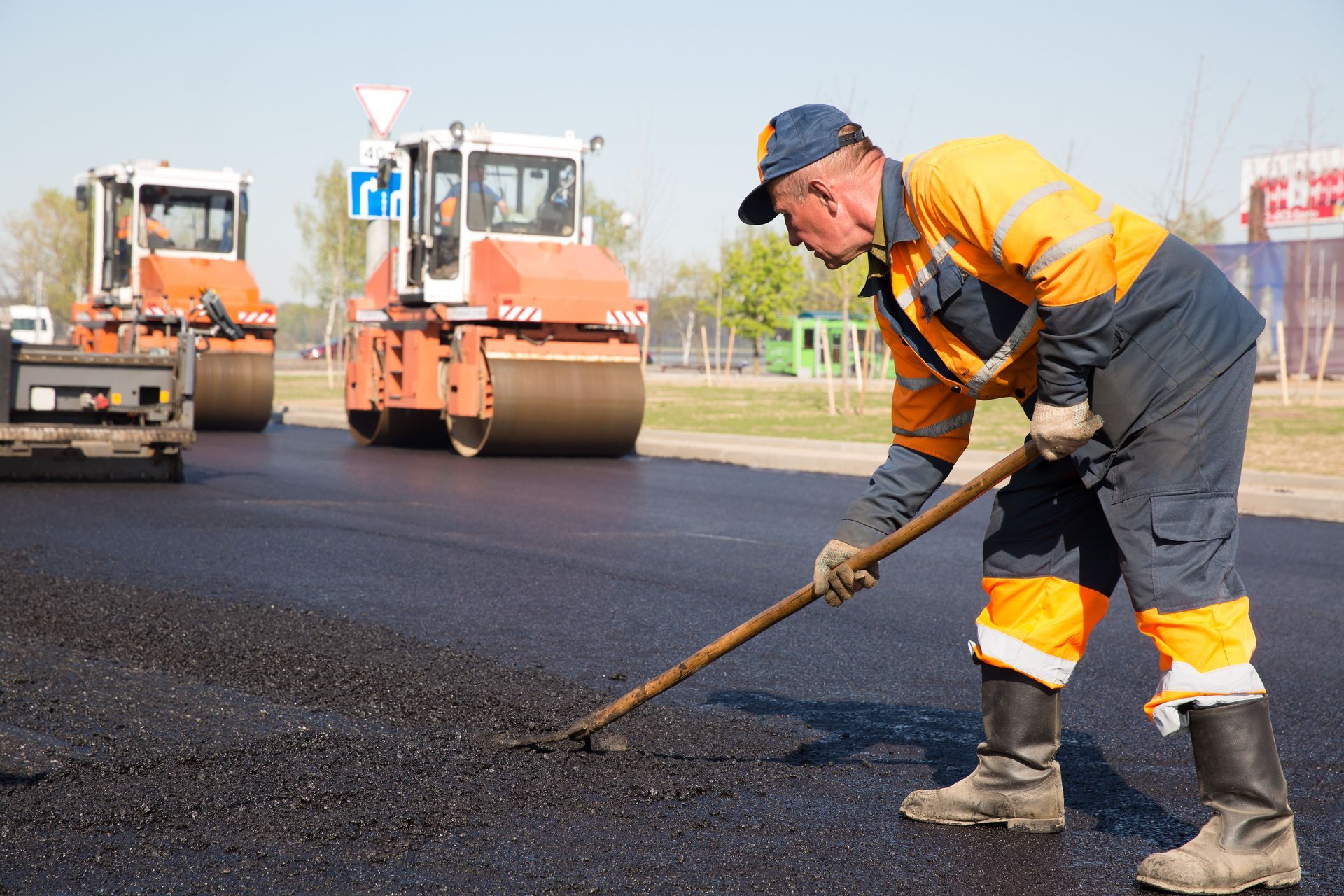
Asphalt replacement is an undertaking that significantly impacts budgets due to high initial material and labor costs. The process involves removing existing pavement, preparing the ground, and laying down new asphalt, each stage requiring specialized equipment and skilled labor. These expenses quickly accumulate, especially when large areas are involved or when the project is part of a wider infrastructure upgrade. Financial constraints often force stakeholders to allocate substantial resources towards replacement, which could have been mitigated with preventive measures. Therefore, this initial expenditure underscores the importance of timely repair to avoid complete replacement.
In addition to the obvious expenses of materials and skilled labor, unexpected challenges during asphalt replacement can further inflate costs. Factors such as underlying soil instability, hidden utility lines, or adverse weather conditions can prolong the project timeline and require additional resources. These unforeseen complications often lead to budget overruns, making the initial investment even more substantial. Timely asphalt repair, by contrast, allows minor issues to be addressed before they escalate, reducing the likelihood of costly surprises during full replacement.
Impact on Local Infrastructure Budget
For local governments, asphalt replacement competes with other essential public services for limited budgetary allocations. This strain means that expensive replacements can lead to a lack of funds in areas such as education or healthcare. Municipalities might face the dilemma of prioritizing costly road repairs over other critical community needs. Timely asphalt repair helps maintain roads in good condition and stretches limited funds further. Proactive maintenance can help avoid the predicament of reallocation, allowing cities to maintain a balanced and effective budget.
Beyond immediate financial strain, frequent large-scale asphalt replacements can disrupt long-term municipal planning. When a city must divert substantial funds to cover road reconstruction, other projects like park upgrades, public transit improvements, or emergency services expansions may be delayed or downsized. By investing in regular, timely asphalt repair, local governments can spread maintenance costs over time, avoiding sudden budget spikes. This proactive approach helps preserve funding for a broader range of community needs while keeping roads safe and functional.
The Environmental Cost of Replacement
The environmental footprint of asphalt replacement is significant, involving the extraction of raw materials, substantial energy consumption, and pollution. Emissions from the machinery and chemical processes involved in asphalt production contribute to environmental degradation. By regularly repairing asphalt, we reduce the need for complete replacements, thus minimizing the associated ecological impacts. Prolonging the life of existing pavements through minor repairs results in a more sustainable approach to infrastructure maintenance. Thus, timely repairs not only conserve financial resources but also promote environmental stewardship.
Disruption and Downtime for Businesses
Asphalt replacement projects often cause significant disruptions for local businesses due to road closures and restricted access. The extended periods required for these operations can lead to reduced customer flow and potential revenue losses. In contrast, timely repair work is less invasive, allowing for minor disruptions and quicker task completion. A properly maintained road network ensures that businesses stay accessible, promoting economic vitality. Stakeholders should prioritize timely interventions to mitigate downtime and foster a thriving business environment.
Extended asphalt replacement projects can also impact supply chains and delivery schedules for nearby businesses. Delivery trucks may face detours or delays, while employees and customers encounter limited access, creating operational inefficiencies. These disruptions can accumulate over time, reducing overall productivity and profitability. Timely, smaller-scale asphalt repair projects, however, minimize these interruptions, allowing businesses to operate smoothly while streets remain safe and accessible.
The Cumulative Cost of Delayed Repairs
Delay in addressing asphalt damage exacerbates the problem, leading to more extensive deterioration and higher repair costs over time. Small cracks can quickly evolve into large potholes, demanding more extensive and costly repairs than if addressed promptly. The longer the repair is postponed, the higher the financial burden becomes, draining public and private funds in the long run. Strategic planning and early intervention transform costly future repairs into manageable maintenance tasks. Prioritizing timely asphalt repair directly correlates with reduced cumulative costs and extended pavement lifespan.
Cost-Effectiveness of Minor Repairs
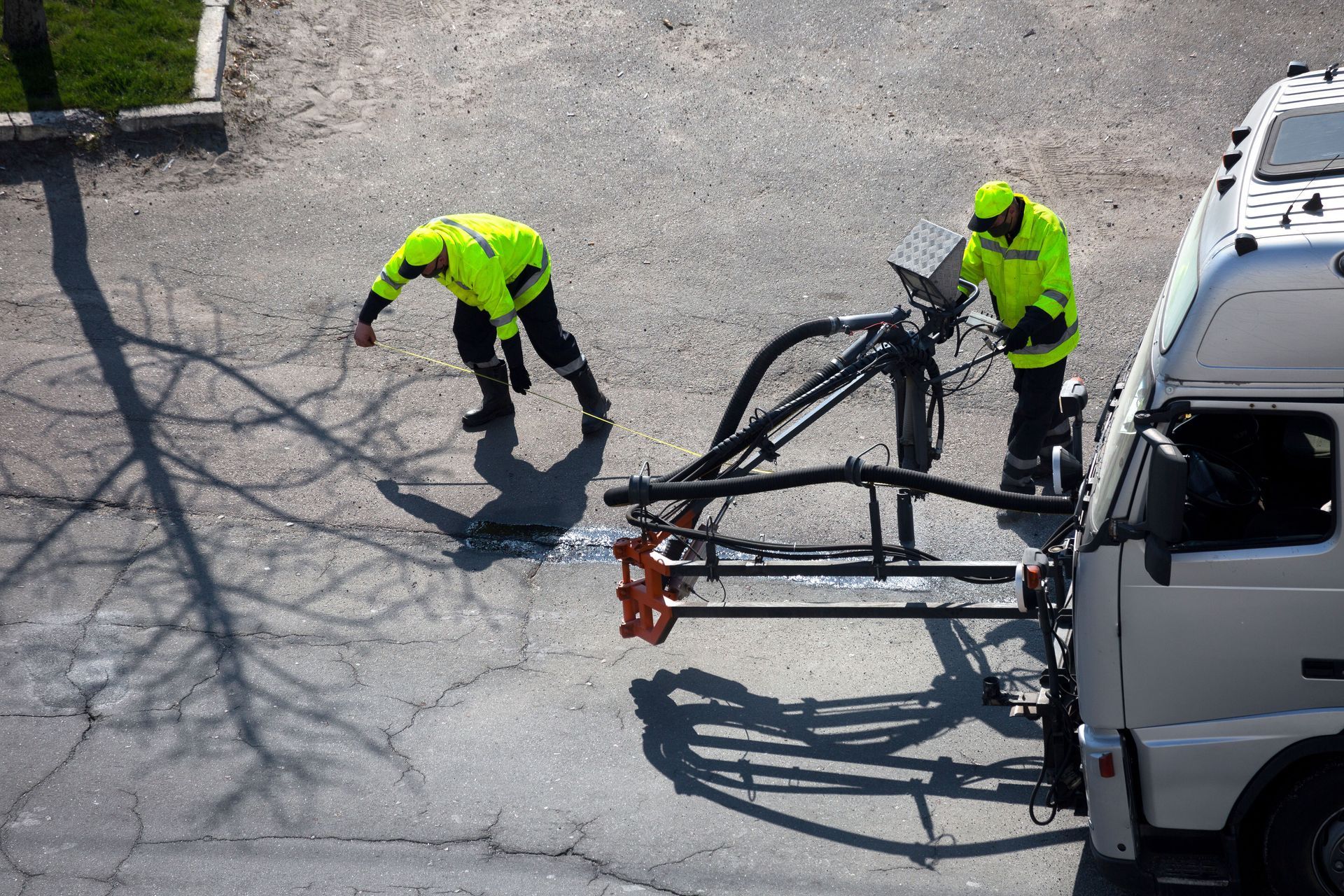
Minor repairs offer a cost-effective way to maintain the integrity of asphalt pavements. Fixing cracks and small potholes prevents the progressive deterioration of surfaces, which could lead to costly replacements. As these minor damages are easy to address, they require less material and labor, further converting into savings. According to Today's Homeowner, a properly maintained asphalt driveway typically has a lifespan of 20 to 25 years, underscoring the value of early intervention. Timely remedial actions are essential to prolong the life of pavements and optimize financial resources.
Minor repairs also allow for better budget planning and resource allocation. Instead of setting aside large sums for unexpected full replacements, property owners and municipalities can schedule regular maintenance at predictable costs. This proactive approach not only spreads expenses more evenly but also maximizes the return on investment by keeping pavements in optimal condition for longer. Over time, these small, strategic repairs translate into substantial financial savings and greater overall efficiency.
Long-Term Benefits of Timely Asphalt Care
Timely care of asphalt surfaces provides numerous long-term benefits, including reducing the frequency and severity of repairs needed. Well-maintained pavements experience less wear and tear from both environmental factors and traffic loads, ensuring longer periods without major interventions. The resulting financial savings can be allocated to other infrastructure development or community services. Moreover, maintaining asphalt condition enhances public safety and aesthetic value, fostering community satisfaction. The dividends from investing in timely repairs manifest in both economic and social realms, reinforcing the indispensability of proactive maintenance.
Timely asphalt care also contributes to improved safety and reduces liability risks. Well-maintained roads and driveways are less likely to develop hazardous potholes or uneven surfaces that can cause accidents for drivers, cyclists, and pedestrians. By preventing these issues early, property owners and municipalities not only protect the public but also avoid potential legal claims and associated costs. This added layer of protection reinforces the value of consistent, proactive maintenance over reactive repairs.
Lifecycle Extension of Asphalt
Proper maintenance practices significantly extend the lifecycle of asphalt pavements, maximizing their utility and cost-effectiveness. By addressing minor damages promptly, pavements maintain their structural integrity over the long haul. This preventative approach ensures that complete overhauls are delayed or avoided altogether, yielding significant financial returns. Municipalities and private stakeholders benefit from reduced capital expenditures, fostering more robust infrastructure and healthier budgets. Prolonged service life solidifies the position of timely repairs as a cornerstone of asset management strategies.
Timely asphalt repair is more than a routine maintenance task; it's a strategic investment in longevity, cost savings, and sustainability. By addressing minor issues early, you can avoid the financial strain, environmental impact, and operational disruptions associated with full replacement projects. From extending pavement lifespan to protecting local budgets and supporting business continuity, proactive asphalt care delivers clear and lasting benefits. In the long run, consistent maintenance with the help of LR Industries LLC isn't just the smarter option. It's the more responsible choice. Reach out to us today to get started with a free same-day quote!