July 6, 2026
To the untrained eye, a pothole looks like nothing more than a minor pavement annoyance—a small, irritating crater that forces drivers to swerve. But for property managers, commercial landlords, and facility directors, these asphalt cavities represent a ticking financial and legal liability. Here's a closer look at how these common pavement craters threaten property safety, how the law views asphalt neglect, and how you can select the right professional asphalt repair service to patch your vulnerabilities before they drain your budget.
The Impact of Potholes on Property Safety
Damage to Vehicles
Potholes pose significant threats to vehicles, often leading to costly repairs. When vehicles hit a pothole, they can suffer from flat tires or bent rims, which can cause a dangerous driving condition. Furthermore, repeated exposure might harm a vehicle's suspension system, resulting in a lower resale value and increased maintenance costs.
Vehicles could be consistently affected due to the potentially unstable mix of 95% of mineral aggregates and 5% asphalt binders, which make up standard batches of asphalt, according to the National Asphalt Pavement Association. Securing a professional asphalt repair service to ensure smooth surfaces is not only a matter of comfort but essential for maintaining vehicular safety and reducing unexpected expenses for renters and visitors.
Pedestrian Risks
Potholes are also a significant hazard for pedestrians, especially in parking lots and pathways. Uneven surfaces can lead to trips and falls, which are particularly hazardous for seniors and those with mobility impairments. Injuries stemming from such accidents could be severe, including broken bones or significant bruising, aggravating the property's liability risk.
Contributing to the problem is the wear and tear that occurs over time, compounded by insufficient maintenance efforts. Safeguarding pedestrian areas from such hazards involves recognizing these risks early and taking corrective action to repair and maintain pathways.
Possible Legal and Financial Repercussions
The legal and financial implications of neglecting pothole maintenance are considerable. Properties may face lawsuits if individuals suffer damages or injuries due to poorly maintained surfaces. Legal fees associated with these claims, alongside potential settlements or judgments, can be substantial, impacting an organization's financial stability.
Moreover, insurance premiums might rise if claims are frequent, increasing the cost of property management. Proactive measures, including regular inspections and partnering with an experienced asphalt repair service for prompt repairs, can reduce the likelihood of legal troubles and decrease liability risks.
Identifying the Causes of Potholes
Understanding Weather-Related Factors
Weather significantly influences pothole formation through cyclic temperature changes. The freeze-thaw cycles expand and contract asphalt surfaces, causing them to crack over time. Water infiltrates small cracks and freezes, enlarging them and weakening the road structure upon thawing. As a result, small vulnerabilities grow into substantial surface degradation, leading to large potholes. Effective drainage and road construction materials are crucial in minimizing these weather-related impacts, helping protect surface integrity.
The Role of Traffic and Heavy Loads
Potholes develop not only due to weather but also because of vehicle traffic and load stresses. Heavy vehicles apply substantial pressure to asphalt surfaces, especially on those with inadequate foundational support. Repeated stress from daily traffic flow causes wear, exacerbating any existing cracks or imperfections. The combination of weight and movement contributes significantly to the deterioration of asphalt made up of mineral aggregates and binder. Addressing these issues involves strategic planning with engineers to manage load distribution across the pavement effectively.
Poor Initial Construction Quality
Potholes' presence can often be traced back to substandard initial construction practices. If corners are cut or low-quality materials are used during construction, the resultant surface may be unable to withstand environmental pressures.
An asphalt composition not adhering strictly to recommended proportions, such as 95% mineral aggregates and 5% asphalt binder, compromises structural integrity. Over time, these materials degrade faster, becoming more susceptible to damage from traffic and weather. Ensuring high-quality construction and relying on a reputable asphalt repair service for future remediation is essential to creating durable surfaces that require fewer repairs.
Legal Responsibilities and Liability Concerns
Understanding Premises Liability Laws
Property managers must comprehensively understand premises liability laws to mitigate risk effectively. These laws hold property owners responsible for ensuring safe pathways and parking lots for users. Failure to maintain these areas could result in being held liable for accidents or injuries that occur on the property. Awareness and adherence to these regulations are crucial in developing maintenance strategies that prioritize safety and compliance. This involves regular inspections and taking corrective action whenever any part of the premises becomes hazardous.
Documenting Incidents and Repairs
Thorough documentation of all incidents and repairs associated with potholes is necessary for liability management. Keeping detailed records can be invaluable in defending against insurance claims and legal actions, demonstrating due diligence. Logs should include information about inspection dates, identified hazards, work completed by your chosen asphalt repair service, repair dates, and procedures. This documentation helps in showing a history of consistent maintenance and responsiveness to issues as they arise. Proper records can strengthen defense strategies should legal issues about property conditions arise.
Insurance Coverage Considerations
Insurance coverage is a vital component when addressing liability associated with potholes. Various types of insurance, such as general liability and property insurance, can offer financial protection in case of lawsuits or claims. Property owners must carefully review their policies to ensure adequate coverage for potential incidents. Insurance providers might require evidence of regular maintenance, emphasizing the importance of effective documentation and preventative strategies. Having comprehensive insurance reduces financial risk exposure from accidents related to pothole damage.
Preventative Measures and Maintenance Strategies
Conducting Regular Inspections
Regular inspections are fundamental to preventing pothole formation and ensuring ongoing property safety. Inspections allow property managers to identify and address small issues before they grow into major hazards. A systematic approach should involve assessing high-traffic areas and those prone to weather-related impacts. Consistent monitoring aids in maintaining an overview of pavement conditions, ensuring early intervention. By preemptively handling potential problems, the likelihood of severe surface deterioration is significantly reduced.
Proactive Surface Repairs
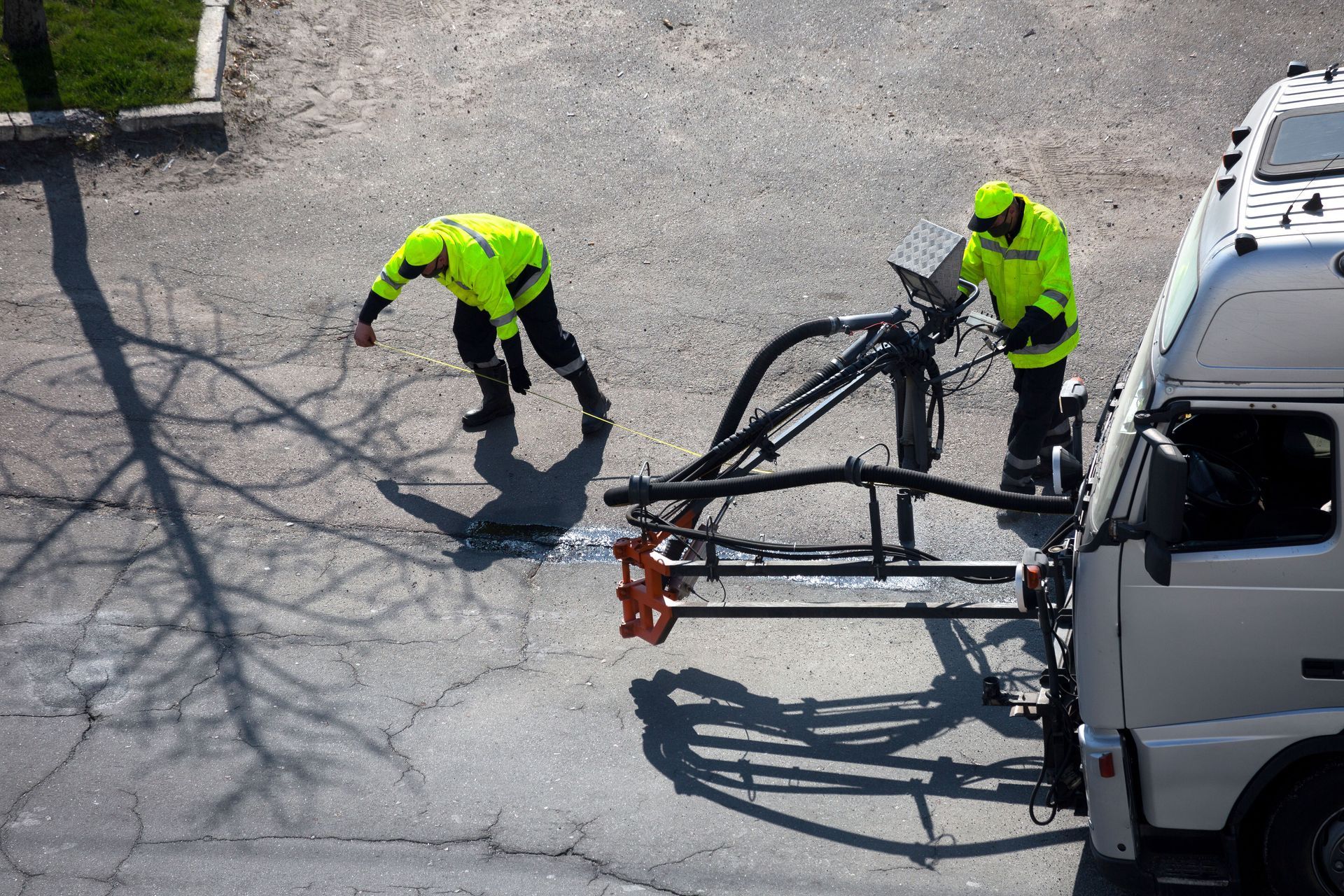
Proactive repairs, such as sealing cracks and filling minor damages, play an essential role in maintaining pavement quality. By scheduling an asphalt repair service to address minor issues promptly, property managers can prevent more extensive damage that leads to potholes. Utilizing the right materials and techniques during repairs is crucial for enhancing the durability of the asphalt surface. This includes following the guidelines for asphalt composition, ensuring that the recommended mixture ratios are maintained. Effective repairs extend the lifespan of pavement, improving both safety and aesthetic appeal.
Upgrading Asphalt and Materials
The selection of durable materials for asphalt surfaces directly impacts their resilience to traffic and weather stresses. New advancements in asphalt technology offer options engineered to last longer while enduring heavy use and adverse conditions.
Investing in high-quality materials through a specialized asphalt repair service can reduce the frequency of necessary repairs, resulting in fewer disruptions and lower long-term costs. Understanding industry standards helps in making informed choices about material upgrades and investing wisely in infrastructure improvements. The right materials support lasting interventions that can better withstand the pressures of routine use.
Ignoring a pothole is effectively gambling with your property's financial and legal health. As this guide demonstrates, what begins as a minor hairline fracture from a standard freeze-thaw cycle can quickly expand into an expensive vehicle repair bill or a severe pedestrian injury. Under modern premises liability laws, "I didn't notice it" is rarely an acceptable legal defense. Taking a reactive approach to pavement maintenance won't just ruin your property's curb appeal—it can drive up insurance premiums and expose your organization to costly lawsuits.
Ultimately, investing in proactive surface maintenance is a direct investment in risk mitigation. By sealing cracks early, documenting your building's safety efforts, and partnering with a qualified asphalt repair service, you strip away the liabilities beneath your feet—ensuring a smooth, safe, and lawful environment for every driver and pedestrian who steps onto your property. Reach out to LR Industries LLC today to get started.