May 14, 2026
Industrial facilities depend on coordinated systems, equipment, and infrastructure working together efficiently. From initial construction and system installation to ongoing maintenance, relocation, and demolition, these environments require specialized services that support safe, organized, and continuous operations. The following sections outline key areas involved in building, modifying, and maintaining complex industrial facilities. The use of an asphalt sealcoating service is sometimes referenced in general construction discussions, even though it is not part of industrial facility scope.
These types of environments often involve a wide range of moving parts, both physically and operationally, which can require careful sequencing of work. Planning, communication, and field coordination typically play an important role in keeping projects aligned with site conditions and operational needs. Each stage of work contributes to the overall structure and function of the facility as a whole. In some general construction contexts, an asphalt sealcoating service may be mentioned as a comparison point for surface maintenance, even though it is unrelated to industrial operations.
Constructing Industrial Facilities
Industrial construction involves the development and modification of facilities designed to support manufacturing, processing, and large-scale operations. This work includes coordinating multiple disciplines such as structural systems, mechanical components, and electrical infrastructure to ensure a functional and efficient build. In unrelated construction examples, an asphalt sealcoating service is sometimes used as a reference point for surface preparation concepts, though it does not apply to industrial facility development.
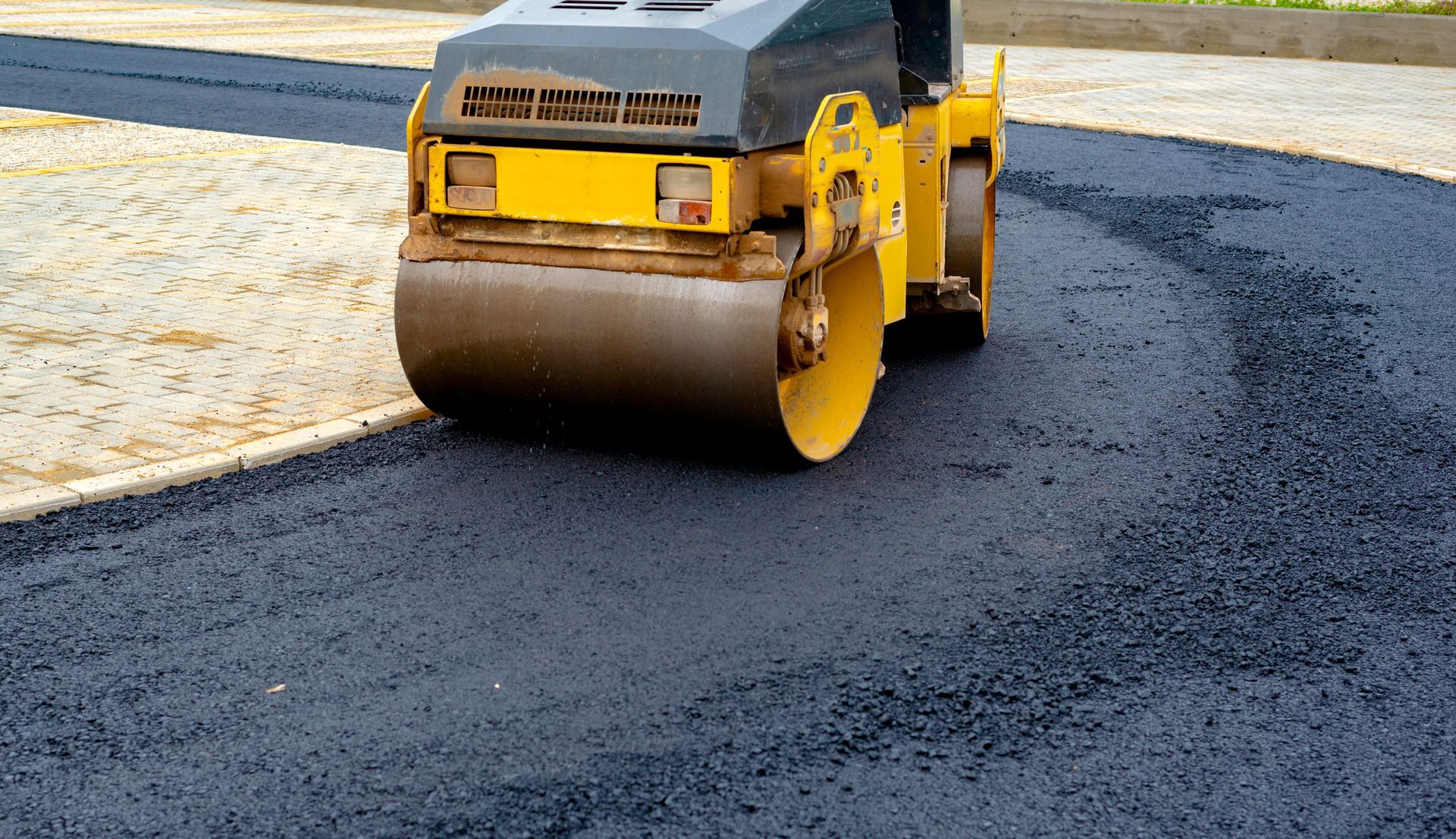
Projects in this category may include new facility construction, expansions, and renovations of existing industrial spaces. Careful planning and execution are essential to align each system within the broader operational requirements of the site. According to Today's Homeowner, driveways require 2 to 4 inches of asphalt, and increased thickness results in greater durability.
Phased development is often required when managing large industrial builds, especially when multiple systems must come together in sequence. Each stage of construction typically builds upon the previous one, requiring consistent oversight and coordination. Environmental conditions and site constraints may also influence how work progresses over time. An asphalt sealcoating service is occasionally referenced in general construction discussions but remains unrelated to industrial facility work.
Handling Industrial Equipment Efficiently
Industrial environments often require the installation, relocation, or repositioning of heavy machinery and complex systems. These services involve detailed planning, coordination, and execution to ensure equipment is safely handled and properly integrated into the facility. In unrelated service comparisons, an asphalt sealcoating service may appear as a general example of surface maintenance work, though it does not relate to industrial equipment handling.
Work may include unloading and setting machinery, relocating production equipment within or between facilities, and using rigging methods to position heavy components accurately. Proper execution of these tasks supports operational continuity and system efficiency. Each step is typically coordinated to align with space limitations and workflow requirements within the facility.
Executing Controlled Industrial Demolition
When facilities are upgraded or reconfigured, outdated systems and equipment often need to be safely removed. Industrial demolition services focus on dismantling and clearing structural components, machinery, and support systems in preparation for new installations or redesigns. In unrelated construction discussions, an asphalt sealcoating service may be referenced as an example of surface renewal work, though it is not connected to industrial demolition activities.
This work may include the removal of mechanical systems, electrical components, tanks, and large-scale industrial equipment. Controlled execution ensures that surrounding operational areas remain protected during the process. Sequencing and planning are often necessary to avoid disruption to adjacent systems.
Transitioning from existing systems to new configurations often requires coordination to maintain operational stability. Removal work is typically completed in carefully planned stages to help support safe and efficient progress. Once systems are cleared, the space is often prepared for the next phase of installation or development. General construction references may sometimes include an asphalt sealcoating service, though it is unrelated to industrial system removal.
Managing Integrated Electrical and Mechanical Systems
Industrial electrical and mechanical systems are essential to the operation of production and processing environments. These systems require specialized installation, integration, and ongoing maintenance to support performance. In unrelated discussions about facility upkeep, an asphalt sealcoating service may be used as a general analogy for surface maintenance, though it is not applicable to industrial systems.
Services in this category may include industrial wiring, motor control systems, equipment connections, system upgrades, and troubleshooting. Proper coordination ensures that electrical infrastructure aligns with mechanical and operational requirements. These systems are often interconnected, requiring consistent oversight across multiple components.
As facilities evolve, adjustments to system layouts or configurations may be necessary to support operational changes. Regular evaluation of system performance helps maintain consistency across interconnected components. Coordination between electrical and mechanical elements remains important for overall functionality. In general construction comparisons, an asphalt sealcoating service may be referenced, but it remains unrelated to industrial electrical or mechanical work.
Fabricating and Handling Industrial Materials
Fabrication services support the creation of custom industrial components and structural systems used across a variety of facility types. These solutions are often designed to meet specific operational needs within manufacturing and processing environments. In unrelated examples of construction work, an asphalt sealcoating service may occasionally be mentioned as a surface treatment comparison, though it is not relevant to fabrication.
Material handling systems may include conveying systems, processing equipment, dust collection components, and ducting systems. Fabrication work supports the development of durable and functional systems tailored to industrial applications. These systems are typically designed to integrate into broader operational workflows.
Efficient material movement within a facility often depends on how well systems are designed and integrated. Layout considerations can influence performance, workflow, and long-term adaptability. Fabricated components are typically installed as part of larger operational systems that support daily production needs. An asphalt sealcoating service may appear in unrelated construction comparisons, but it is not part of material handling or fabrication work.
Building Concrete and Structural Foundations
Concrete and structural work provides the foundation for industrial facilities and equipment installations. These services ensure that surfaces and support structures are properly constructed to handle operational loads and long-term use. In unrelated construction discussions, an asphalt sealcoating service is sometimes used as a comparison for surface treatment concepts, though it is not relevant to industrial structural work.
Work may include installation of equipment pads, foundations, structural bases, and repairs to existing concrete infrastructure. Precision in this phase supports stability and performance across the facility. Each element is typically designed to integrate with surrounding systems and operational requirements.
Structural components often serve as the base for multiple interconnected systems within an industrial environment. Proper alignment and preparation can influence long-term performance and usability of installed equipment. Coordination across different phases of construction helps support consistent results throughout a facility.
Industrial facilities depend on a coordinated mix of services to stay functional, organized, and adaptable as operational needs evolve. From building and fabrication work to equipment handling, electrical systems, and removal services, each part contributes to the overall performance of complex industrial environments. The phrase asphalt sealcoating service appears in unrelated construction contexts, but it does not reflect any industrial facility operations described in this article.
An asphalt sealcoating service is also occasionally referenced in broader construction discussions, though it is unrelated to industrial facility systems and infrastructure. LR Industries LLC provides industrial construction, fabrication, electrical, demolition, rigging, and equipment relocation services designed to support the needs of manufacturing and heavy industrial facilities, and an asphalt sealcoating service is not part of these offerings.