July 15, 2026
When you think about the immense pressure and stress that commercial airplanes place on runways, it becomes clear that these surfaces must be built to withstand extraordinary forces. Commercial parking lot owners face similar challenges, albeit on a different scale. The constant flow of heavy vehicles, exposure to extreme weather conditions, and the need for a safe, smooth surface make property management a demanding responsibility. By looking at the strategies used in aviation, property owners can discover effective methods for extending the lifespan of their pavement. According to the National Asphalt Pavement Association, around 80% of the approximately 3,330 runways managed by the FAA's national airport system are made with asphalt surfacing. This overwhelming preference highlights the reliability of this material when properly managed. For property owners, understanding these advanced aviation standards can translate into significant savings and a better experience for visitors. A crucial element of this ongoing care is asphalt sealcoating, which serves as a vital line of defense against the elements.
Prioritizing High-Quality Paving Materials
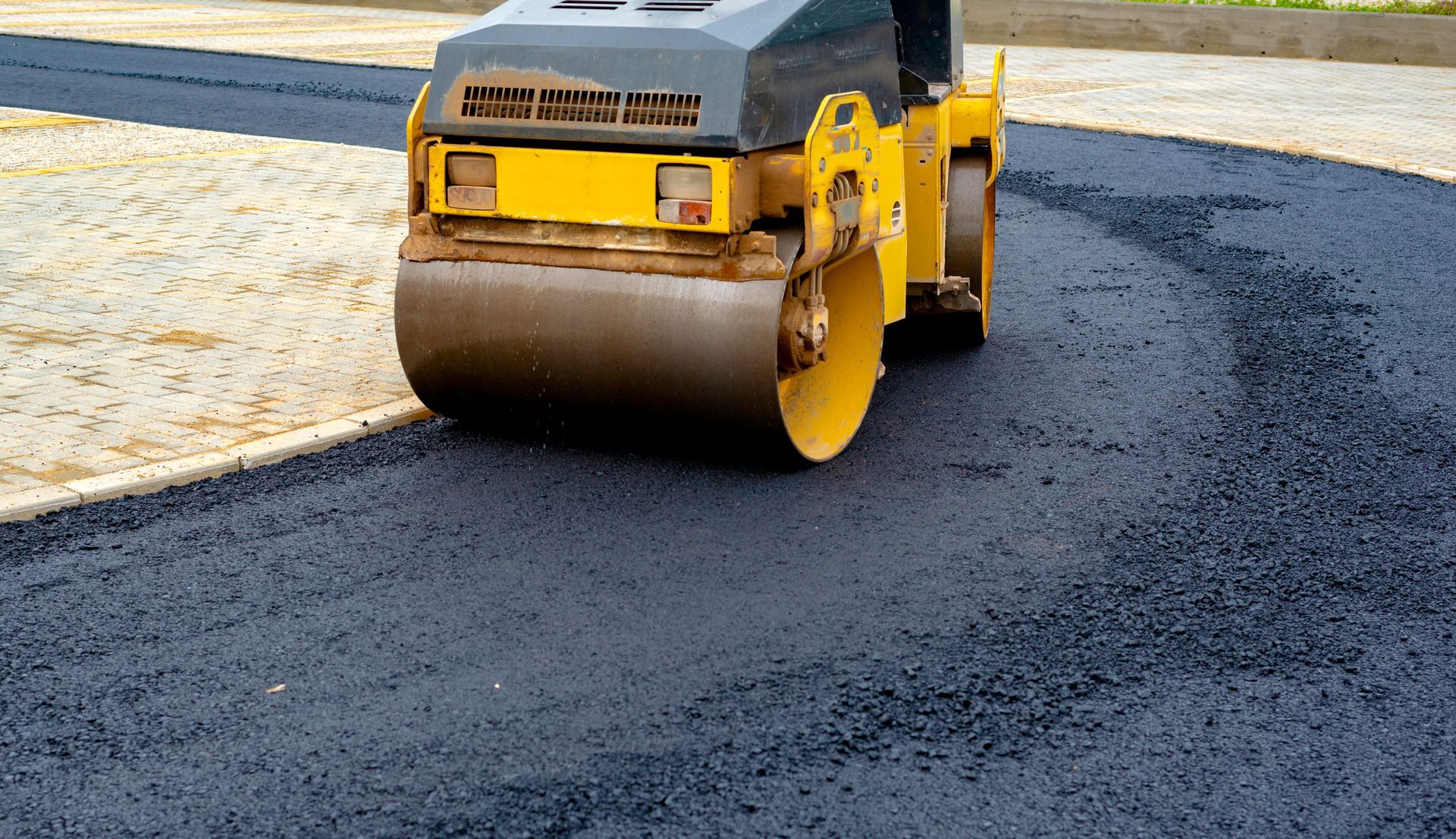
The foundation of any durable surface begins with the materials selected during the initial construction or resurfacing phase. Runways require a precise mixture of aggregates and binders to ensure they can handle the immense weight of landing aircraft without cracking or shifting under pressure. Commercial lot owners must also prioritize premium materials to prevent premature wear and tear. When a commercial surface is constructed with subpar materials, it becomes highly susceptible to shifting soil, temperature fluctuations, and the constant friction of vehicle tires. Investing in superior materials upfront reduces the frequency of necessary repairs and extends the overall functional life of the pavement. Furthermore, high-quality materials provide a smoother, more attractive finish that reflects positively on the businesses operating on the property. A smooth, well-constructed lot reduces the risk of vehicle damage and enhances the safety of pedestrians walking to and from their vehicles. While the initial investment might be slightly higher, the long-term savings in repair costs make premium materials a wise choice for any property owner looking to emulate aviation standards.
Implementing Routine Maintenance Schedules
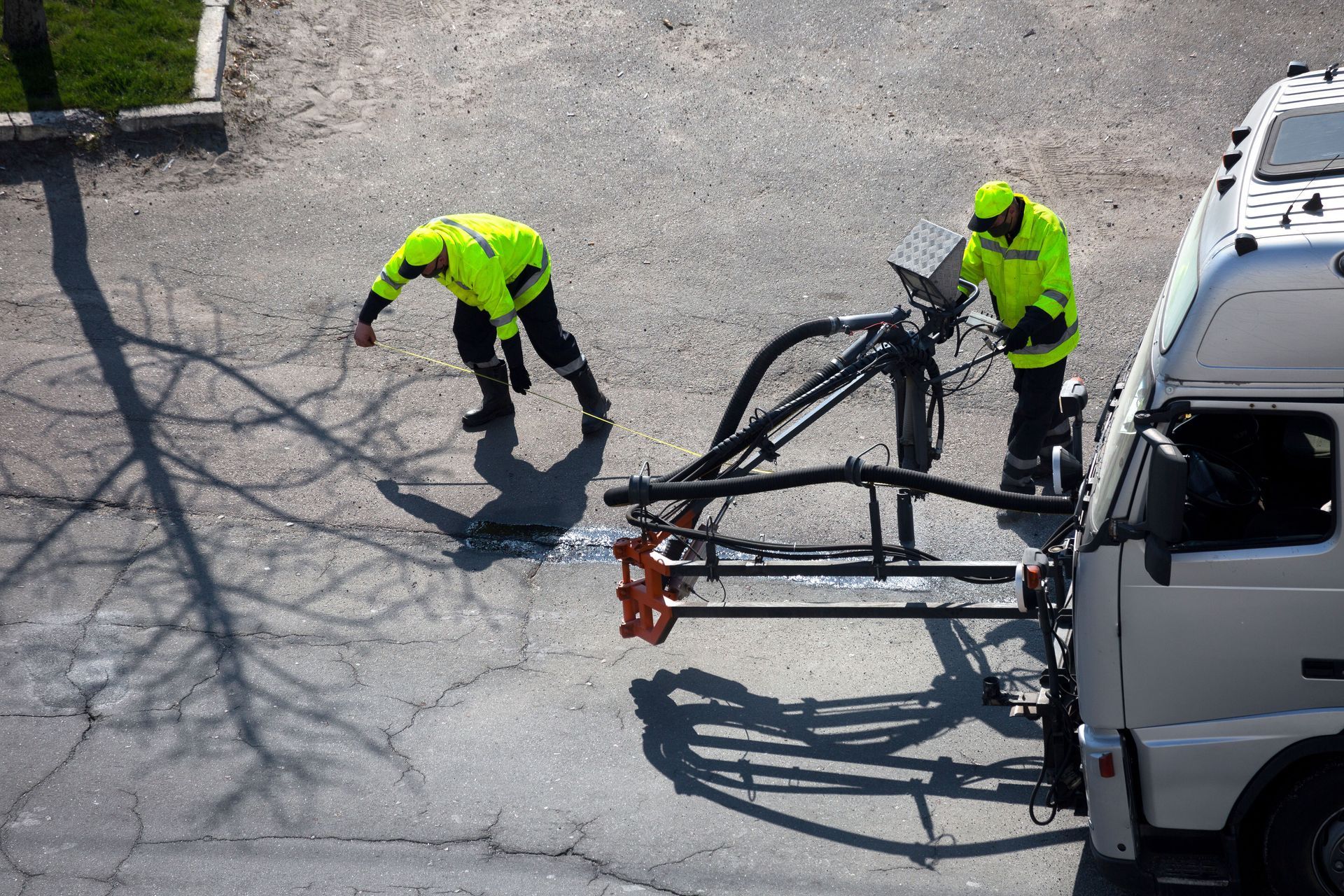
Aviation authorities do not wait for a runway to fail before they take action; they rely on strict, scheduled maintenance routines to identify and address minor issues before they escalate into major hazards. Commercial property managers should adopt a similarly proactive mindset to protect their investments. Regularly walking the property to inspect for small cracks, fading lines, and early signs of pavement distress allows owners to intervene promptly. Minor cracks can quickly expand into large potholes if moisture is allowed to seep beneath the surface and weaken the base layers. By filling cracks early and keeping the surface clean of debris, owners can prevent extensive structural damage. Routine sweeping and immediate removal of harmful chemicals, such as leaked engine oil or gasoline, also play a vital role in preserving the integrity of the surface. Consistent care not only keeps the area looking pristine but also prepares the surface for more extensive protective measures. Regular inspections ensure that essential treatments, like asphalt sealcoating, are applied at the most effective intervals to maximize their protective benefits.
Ensuring Proper Water Drainage Systems
Water is a highly destructive force when it comes to paved surfaces. Runways are meticulously engineered with subtle slopes and advanced drainage networks to quickly channel water away from the tarmac, preventing standing water from compromising the surface friction or seeping into the subbase. Commercial lots require the exact same attention to drainage to avoid catastrophic failure. When water pools on a parking surface, it not only creates a slipping hazard for pedestrians and vehicles but also accelerates the deterioration of the paving materials. As standing water slowly penetrates the surface, it erodes the foundational layers, leading to sunken areas and extensive cracking. Property owners must ensure that their lots are properly graded and that all catch basins and gutters remain free of debris. Effective drainage protects the structural integrity of the lot and enhances the effectiveness of preventative treatments. Without proper water management, even the most diligent application of asphalt sealcoating will struggle to protect the underlying materials from moisture-induced decay.
Applying Protective Surface Treatments
To defend against the relentless assault of sunlight, rain, and chemical spills, aviation surfaces often receive specialized treatments that extend their operational life. For commercial properties, applying a protective layer is arguably the most cost-effective way to preserve the pavement. Ultraviolet rays from the sun cause paving materials to oxidize, rendering them brittle and more prone to cracking under the weight of traffic. Rain and freezing temperatures further exacerbate this brittleness. To combat these environmental threats, property owners should rely heavily on asphalt sealcoating to provide a tough, waterproof barrier over the porous surface. This barrier not only shields the materials from harmful rays and moisture but also resists damage from leaked automotive fluids that would otherwise dissolve the chemical binders holding the surface together. A fresh application of this protective layer restores a deep, rich black color to the pavement, drastically improving the curb appeal of the entire property. Regular applications keep the surface flexible and resilient against the daily grind of commercial traffic.
Utilizing Professional Line Striping
Clear, highly visible markings are an absolute necessity for safe navigation on any runway. Pilots rely on bright, precise lines to guide them during takeoff, landing, and taxiing, regardless of the weather conditions. Commercial lots must also provide clear guidance to drivers and pedestrians to prevent accidents and optimize the use of available space. Faded parking lines, obscured directional arrows, and poorly marked crosswalks create confusion and increase the likelihood of collisions. By investing in professional line striping, property owners can ensure that traffic flows smoothly and safely throughout the area. High-quality traffic paint withstands heavy use and remains visible even during heavy rain or nighttime hours. Crisp, bright lines also enhance the overall aesthetic of the property, showing visitors that the management prioritizes their safety and convenience. It is always recommended to refresh line striping shortly after completing an asphalt sealcoating project, as the newly darkened surface provides a stunning, high-contrast background that makes the fresh paint stand out vividly.
Maintaining Long-Term Structural Integrity
The ultimate goal of runway management is to maintain uncompromising structural integrity over years of use. This requires a holistic approach that combines quality construction, vigilant inspections, and timely interventions. Commercial property owners can achieve similar longevity by viewing their parking areas as vital assets that require comprehensive, ongoing management. Ignoring small issues today will inevitably lead to expensive, disruptive resurfacing projects down the road. Property owners must work closely with experienced professionals to assess the condition of their pavement and develop a customized care plan. This plan should account for the specific volume of traffic the property receives and the local climate conditions that impact the surface. By understanding the lifecycle of their pavement, owners can budget appropriately for necessary repairs and preventative care. Embracing a comprehensive maintenance strategy ensures that the property remains safe, functional, and visually appealing year after year. Central to this strategy is the strategic use of asphalt sealcoating, which binds the surface materials together and dramatically slows the natural aging process.
Taking cues from the rigorous standards of aviation paving can help commercial property owners maximize the value and lifespan of their parking areas. By investing in quality materials, ensuring proper drainage, and committing to proactive maintenance, you can protect your surface from the devastating effects of weather and heavy traffic. Routine care and the timely application of asphalt sealcoating will keep your property looking professional and safe for everyone who visits. Do not wait for expensive structural failures to force your hand and disrupt your daily operations. Reach out to the experts at LR Industries LLC today to learn more about how we can help you implement a superior maintenance strategy and keep your commercial lot in pristine condition for years to come.